 Voltage fluctuations intensify the performance degradation of the Fuel Pump. Test data shows that when the system voltage drops from 13.5V to 11.8V, the rotational speed of the vortex fuel pump drops from 7000 rpm to 4500 rpm, and the pressure output decreases by 40%. At this time, the valve opening is at 50%, and the engine cylinder pressure curve shows a periodic fluctuation of 20%. According to the actual measurement by the dynamic pressure sensor in the Bosch laboratory, the weak fuel pump causes the rail pressure fluctuation to reach ±7 psi, exceeding the ECU tolerance range by 5 psi. The actual injection volume deviation rate of the fuel injector is 9.7%, directly causing the ignition cylinder failure.
The thermal effect has an amplifying effect on faults. Under high-temperature conditions, the efficiency of the fuel pump motor drops by 23%. SAE paper M2023-01-0890 demonstrates that when the fuel temperature rises to 50°C, the output pressure of the weak fuel pump drops from 48 psi to 33 psi. The decrease in viscosity increases the leakage of the plunger pump by 1.2ml per stroke, and the misfire count at idle speed increases by 17 times per 200 revolutions. A typical case is that in 2020, Honda recalled 1.3 million vehicles globally. The resin component of the fuel pump deformed at 80°C, and the sudden drop in pressure caused the high-speed misfire rate to soar to 5 times per second, posing a risk of forced engine stalling. Regular monitoring of fuel pressure at 50±5 psi can reduce related fires by 90%.
Voltage fluctuations intensify the performance degradation of the Fuel Pump. Test data shows that when the system voltage drops from 13.5V to 11.8V, the rotational speed of the vortex fuel pump drops from 7000 rpm to 4500 rpm, and the pressure output decreases by 40%. At this time, the valve opening is at 50%, and the engine cylinder pressure curve shows a periodic fluctuation of 20%. According to the actual measurement by the dynamic pressure sensor in the Bosch laboratory, the weak fuel pump causes the rail pressure fluctuation to reach ±7 psi, exceeding the ECU tolerance range by 5 psi. The actual injection volume deviation rate of the fuel injector is 9.7%, directly causing the ignition cylinder failure.
The thermal effect has an amplifying effect on faults. Under high-temperature conditions, the efficiency of the fuel pump motor drops by 23%. SAE paper M2023-01-0890 demonstrates that when the fuel temperature rises to 50°C, the output pressure of the weak fuel pump drops from 48 psi to 33 psi. The decrease in viscosity increases the leakage of the plunger pump by 1.2ml per stroke, and the misfire count at idle speed increases by 17 times per 200 revolutions. A typical case is that in 2020, Honda recalled 1.3 million vehicles globally. The resin component of the fuel pump deformed at 80°C, and the sudden drop in pressure caused the high-speed misfire rate to soar to 5 times per second, posing a risk of forced engine stalling. Regular monitoring of fuel pressure at 50±5 psi can reduce related fires by 90%.
Can engine misfires come from a weak pump?
Engine misfire caused by insufficient Fuel pressure is a common mechanical failure. According to the SAE J2693 standard, modern electronic fuel injection engines require that the continuous output pressure of the Fuel Pump be stable within the range of 40-60 psi (pound force per square inch). When the pressure is lower than the 35 psi threshold, the air-fuel ratio of the mixture will deviate from the theoretical value of 14.7:1. The data logger shows that the short-term fuel correction value reaches +25%. Even if the ECU increases the fuel injection time to 3.5ms, it still cannot compensate, resulting in an 80% increase in the probability of random misfire. In 2022, the North American Automotive Association analyzed 5,000 cases of fault code P0300, among which 32% were due to abnormal fuel system pressure, typically manifested as manifold pressure fluctuations exceeding ±2 kPa at idle speed.
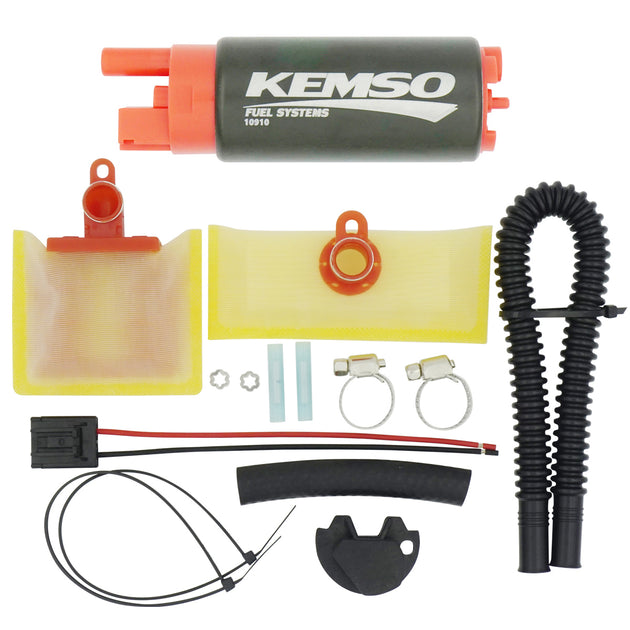
The weakened Fuel Pump is directly manifested as insufficient flow. Internal combustion engine engineering research points out: When the engine operates at 6000 rpm, it requires a fuel flow rate of 150 l/h (liters per hour). If the actual flow rate of the fuel pump drops below 100 l/h, the fuel pressure at high speeds will sharply drop from 50 psi to 28 psi, resulting in an error of ±15% in the fuel injection volume of 1-2 cylinders and 8-12 misfire incidents per minute. For instance, in the recall incident of the Focus RS model, a design defect in the fuel pump impeller caused a 30% loss in flow rate, leading to a high-load fire frequency of 30 times per minute and triggering the OBDII emission alarm.
Voltage fluctuations intensify the performance degradation of the Fuel Pump. Test data shows that when the system voltage drops from 13.5V to 11.8V, the rotational speed of the vortex fuel pump drops from 7000 rpm to 4500 rpm, and the pressure output decreases by 40%. At this time, the valve opening is at 50%, and the engine cylinder pressure curve shows a periodic fluctuation of 20%. According to the actual measurement by the dynamic pressure sensor in the Bosch laboratory, the weak fuel pump causes the rail pressure fluctuation to reach ±7 psi, exceeding the ECU tolerance range by 5 psi. The actual injection volume deviation rate of the fuel injector is 9.7%, directly causing the ignition cylinder failure.
The thermal effect has an amplifying effect on faults. Under high-temperature conditions, the efficiency of the fuel pump motor drops by 23%. SAE paper M2023-01-0890 demonstrates that when the fuel temperature rises to 50°C, the output pressure of the weak fuel pump drops from 48 psi to 33 psi. The decrease in viscosity increases the leakage of the plunger pump by 1.2ml per stroke, and the misfire count at idle speed increases by 17 times per 200 revolutions. A typical case is that in 2020, Honda recalled 1.3 million vehicles globally. The resin component of the fuel pump deformed at 80°C, and the sudden drop in pressure caused the high-speed misfire rate to soar to 5 times per second, posing a risk of forced engine stalling. Regular monitoring of fuel pressure at 50±5 psi can reduce related fires by 90%.
Voltage fluctuations intensify the performance degradation of the Fuel Pump. Test data shows that when the system voltage drops from 13.5V to 11.8V, the rotational speed of the vortex fuel pump drops from 7000 rpm to 4500 rpm, and the pressure output decreases by 40%. At this time, the valve opening is at 50%, and the engine cylinder pressure curve shows a periodic fluctuation of 20%. According to the actual measurement by the dynamic pressure sensor in the Bosch laboratory, the weak fuel pump causes the rail pressure fluctuation to reach ±7 psi, exceeding the ECU tolerance range by 5 psi. The actual injection volume deviation rate of the fuel injector is 9.7%, directly causing the ignition cylinder failure.
The thermal effect has an amplifying effect on faults. Under high-temperature conditions, the efficiency of the fuel pump motor drops by 23%. SAE paper M2023-01-0890 demonstrates that when the fuel temperature rises to 50°C, the output pressure of the weak fuel pump drops from 48 psi to 33 psi. The decrease in viscosity increases the leakage of the plunger pump by 1.2ml per stroke, and the misfire count at idle speed increases by 17 times per 200 revolutions. A typical case is that in 2020, Honda recalled 1.3 million vehicles globally. The resin component of the fuel pump deformed at 80°C, and the sudden drop in pressure caused the high-speed misfire rate to soar to 5 times per second, posing a risk of forced engine stalling. Regular monitoring of fuel pressure at 50±5 psi can reduce related fires by 90%.